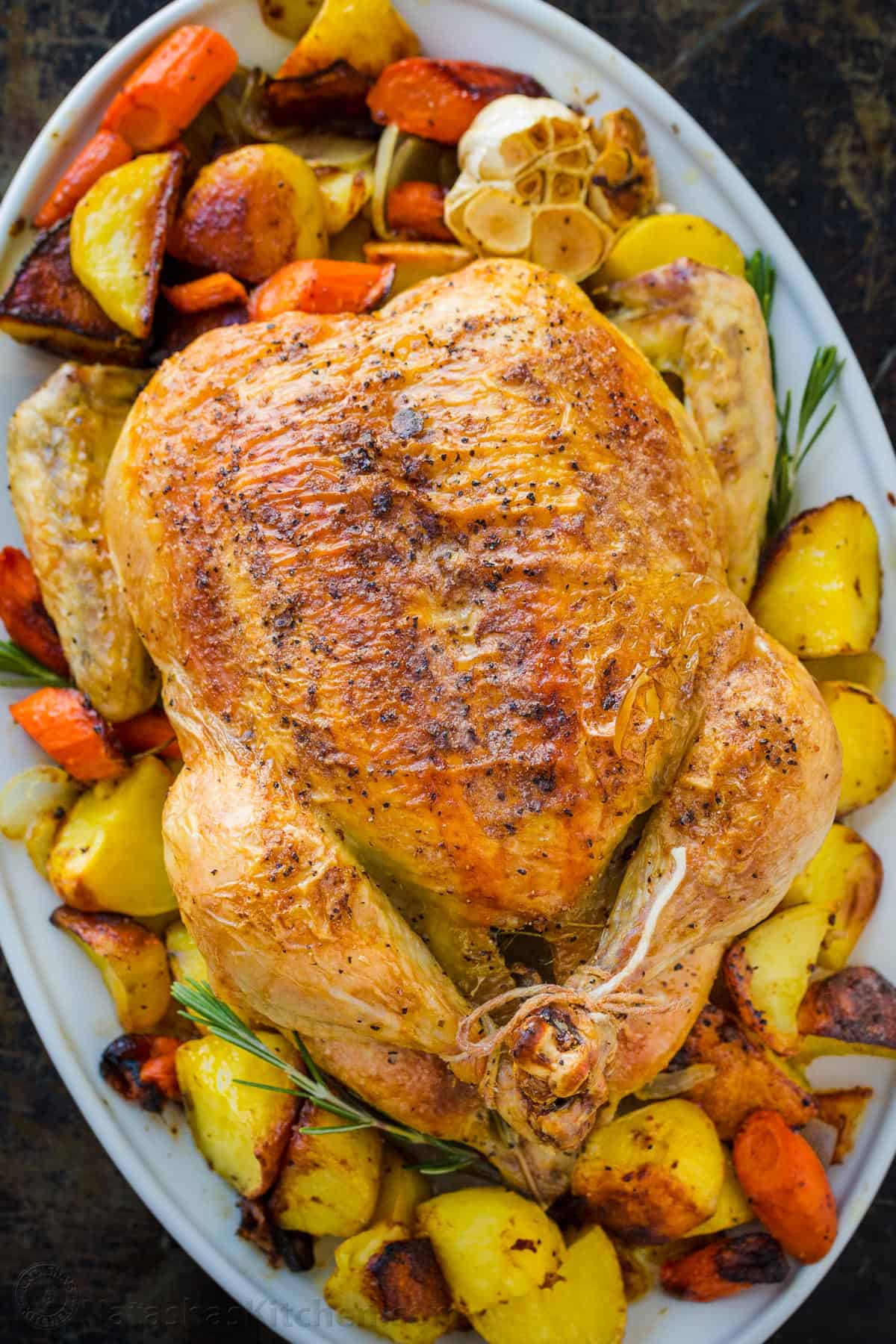
Master Juicy Roast Chicken with Crispy Skin & Flavorful Veggies
There are few culinary experiences as universally satisfying as pulling a perfectly roasted chicken, golden-brown with crackling crispy skin, from the oven. The intoxicating aroma alone promises a feast, but when paired with tender, savory vegetables infused with the chicken's rich drippings, you have more than just a meal – you have a true masterpiece. This isn't just a fancy dish reserved for special occasions; mastering the art of a fantastic
roast chicken and vegetables is surprisingly straightforward, delivering gourmet results with minimal fuss, making it a perfect chicken dinner any night of the week.
The Allure of a Perfect Roast Chicken and Vegetables Dinner
Imagine a single dish that combines tender, succulent protein with a vibrant medley of caramelized vegetables, all cooked together to perfection. That's the magic of
homemade roasted chicken and vegetables. This isn't a complex, multi-pot affair; it's an elegant, one-pan wonder that embodies comfort and flavor. The synergy between the chicken and the vegetables is what truly elevates this meal. As the chicken roasts, its savory juices render out, basting the vegetables below and imbuing them with an unparalleled depth of flavor.
From the first whiff filling your kitchen to that initial bite of crispy skin followed by incredibly juicy meat, this dish offers a sensory delight. It’s a "blue ribbon" recipe that feels both celebratory and deeply comforting, ideal for family dinners or entertaining guests. The best part? There’s no need for elaborate brining or marinating. With a few simple steps and high-quality ingredients, you can achieve results that rival any restaurant.
Unlocking Crispy Skin & Unbeatable Juiciness
The holy grail of
roast chicken is achieving that coveted crisp, salty skin while keeping the meat unbelievably moist and tender. Here's how to ensure every bite is perfection:
The Dry & Season Deep Method
This is perhaps the most crucial, yet often overlooked, step: thorough drying. After rinsing your whole chicken, pat it *generously* dry, inside and out, with paper towels. Any residual moisture on the skin will steam rather than crisp, preventing that desirable crunch. Once dry, it's time to season. Don't be shy! Liberally apply salt, freshly ground black pepper, and garlic powder (or your favorite blend) all over the exterior and inside the cavity. This generous seasoning is key to building flavor from the ground up and helps draw out additional moisture, aiding in crispiness.
The Power of Fat & Aromatics
Fat is flavor and a key player in crisping the skin. While some recipes call for just olive oil, incorporating butter or margarine ensures a rich, golden finish. Our method uses cubed margarine (or butter) both in the cavity and scattered around the chicken and vegetables. As it melts, it bastes the chicken, contributing to that irresistible crispy skin.
Stuffing the chicken's cavity with aromatics like lemon slices, onion, garlic, and celery pieces does wonders for infusing flavor into the meat from the inside out. These ingredients release their fragrant essences as they cook, permeating the chicken with bright, savory notes.
The Importance of Resting & Temperature
Roasting at a consistent temperature of 385°F (196°C) ensures thorough cooking and helps achieve that beautiful browning. However, the journey isn't over when the thermometer dings. Once your instant-read meat thermometer inserted into the thickest part of the thigh (without touching bone) registers 165°F (75°C), remove the chicken from the oven and let it rest for a full 10 minutes. This resting period is critical; it allows the juices to redistribute throughout the meat, resulting in an incredibly tender and juicy chicken. Skipping this step means all those precious juices will run out onto your cutting board, leaving you with dry meat.
Elevating Your Roasted Vegetables to Perfection
While the chicken is the star, the accompanying vegetables are far from mere sidekicks. They absorb all the incredible drippings from the chicken, becoming tender, caramelized, and bursting with flavor.
Selecting and Preparing Your Medley
The classic combination includes sturdy root vegetables like red potatoes and carrots, which stand up well to longer cooking times. Sweet onion and celery add layers of aromatic goodness. For optimal cooking, ensure your vegetables are cut into relatively uniform, bite-sized pieces. This consistency guarantees they all cook evenly and become tender at the same time as your chicken. Feel free to substitute or add other hardy vegetables such as parsnips, sweet potatoes, or even Brussels sprouts. Just be mindful of their cooking times; softer vegetables might need to be added partway through the roast.
Strategic Seasoning and Placement
Before meeting the chicken, the vegetables get their own preparatory treatment. Toss them in a large bowl with a generous glug of olive oil, along with salt, black pepper, and additional garlic powder. This coating of oil helps them caramelize beautifully and prevents sticking. Once seasoned, they form the foundation of your dish, spread out in a large cast iron skillet or roasting pan. Placing the chicken directly atop this bed of vegetables is not just convenient; it's a culinary strategy. The vegetables bask in the chicken's flavorful drippings, soaking up every savory drop, becoming irresistibly tender and deeply flavored.
Your Step-by-Step Guide to a One-Pan Culinary Triumph
Ready to create your own magnificent
roast chicken and vegetables? Follow these steps for a foolproof and delicious meal:
1.
Preheat & Prepare Veggies: Preheat your oven to 385°F (196°C). In a large bowl, combine 4 large cubed red potatoes, 1 (16 ounce) package of carrots cut diagonally, bite-size pieces of celery (from 1 stalk), and three-quarters of a sliced sweet onion. Drizzle with 2 tablespoons of olive oil and toss to coat. Season with salt, pepper, and garlic powder. Transfer these seasoned vegetables to a large cast iron skillet or heavy-duty roasting pan, spreading them into an even layer.
2.
Chicken Prep & Seasoning: Rinse your 4.5-pound whole chicken thoroughly and, most importantly, pat it *completely dry* with paper towels, inside and out. Generously season the chicken all over with salt, black pepper, and garlic powder.
3.
Stuff the Cavity: Place the remaining quarter of the sliced sweet onion, ¼ cup of cubed margarine (or butter), a few slices of lemon, 1 teaspoon of minced garlic, and 3 large pieces of celery into the chicken's cavity.
4.
Assemble & Roast: Carefully place the seasoned chicken atop the bed of oiled vegetables in your skillet. Scatter the remaining ¼ cup of cubed margarine pieces and 1 ⅔ tablespoons of minced garlic around the vegetables in small amounts.
5.
Bake to Perfection: Roast in the preheated oven for approximately 1 hour and 45 minutes. The chicken is done when the skin is beautifully browned and crisp, the vegetables are tender, and an instant-read meat thermometer inserted into the thickest part of the thigh (avoiding the bone) registers 165°F (75°C).
6.
Rest & Serve: Remove the skillet from the oven and let the chicken rest for 10 minutes before carving. This crucial step ensures juicy meat. Serve the carved chicken alongside the flavorful, caramelized roasted vegetables.
Pro Tips & Creative Variations for Your Roast Chicken Adventure
Making a beautiful
oven roasted chicken and vegetables is easier than you think, but a few insider tips can make it even better:
*
Don't Overcrowd: Ensure your pan isn't too crowded. The vegetables need space to roast and caramelize, not steam. If you're doubling the recipe or using a larger bird, consider using two pans.
*
Herbal Infusion: For an extra layer of aroma and flavor, tuck fresh sprigs of rosemary or thyme into the chicken cavity or under the skin. You can also scatter them over the vegetables about halfway through cooking.
*
Spice it Up: Experiment with different seasoning blends. Paprika, dried oregano, or a touch of smoked paprika can add wonderful complexity.
*
Vegetable Variety: Don't limit yourself to the suggested vegetables. Parsnips, butternut squash, or even broccoli florets (added in the last 20-30 minutes of cooking so they don't overcook) are fantastic additions.
*
Trussing (Optional): Tying the chicken's legs together (trussing) ensures the chicken cooks more evenly and helps it maintain a compact shape. While not strictly necessary for a home cook, it's a technique worth exploring for a more professional presentation.
This versatile
Easy One-Pan Roast Chicken & Vegetables Recipe is perfect for simplifying your kitchen routine. For more straightforward options that simplify your weeknight cooking, check out our
The No-Fuss Roast Chicken Dinner: Perfect for Weeknights, offering even more streamlined preparation ideas.
Conclusion
There’s nothing quite like the satisfaction of serving a magnificent
roast chicken and vegetables – a meal that looks impressive, tastes incredible, and offers the comforting warmth of home cooking. With its crispy skin, succulent meat, and richly flavored veggies, this one-pan dinner is a testament to the fact that culinary mastery can be achieved with simplicity and care. So go ahead, embrace the aroma, savor the flavors, and make this timeless classic a cherished staple in your kitchen.